Family
The birth of
Emily and Daniel
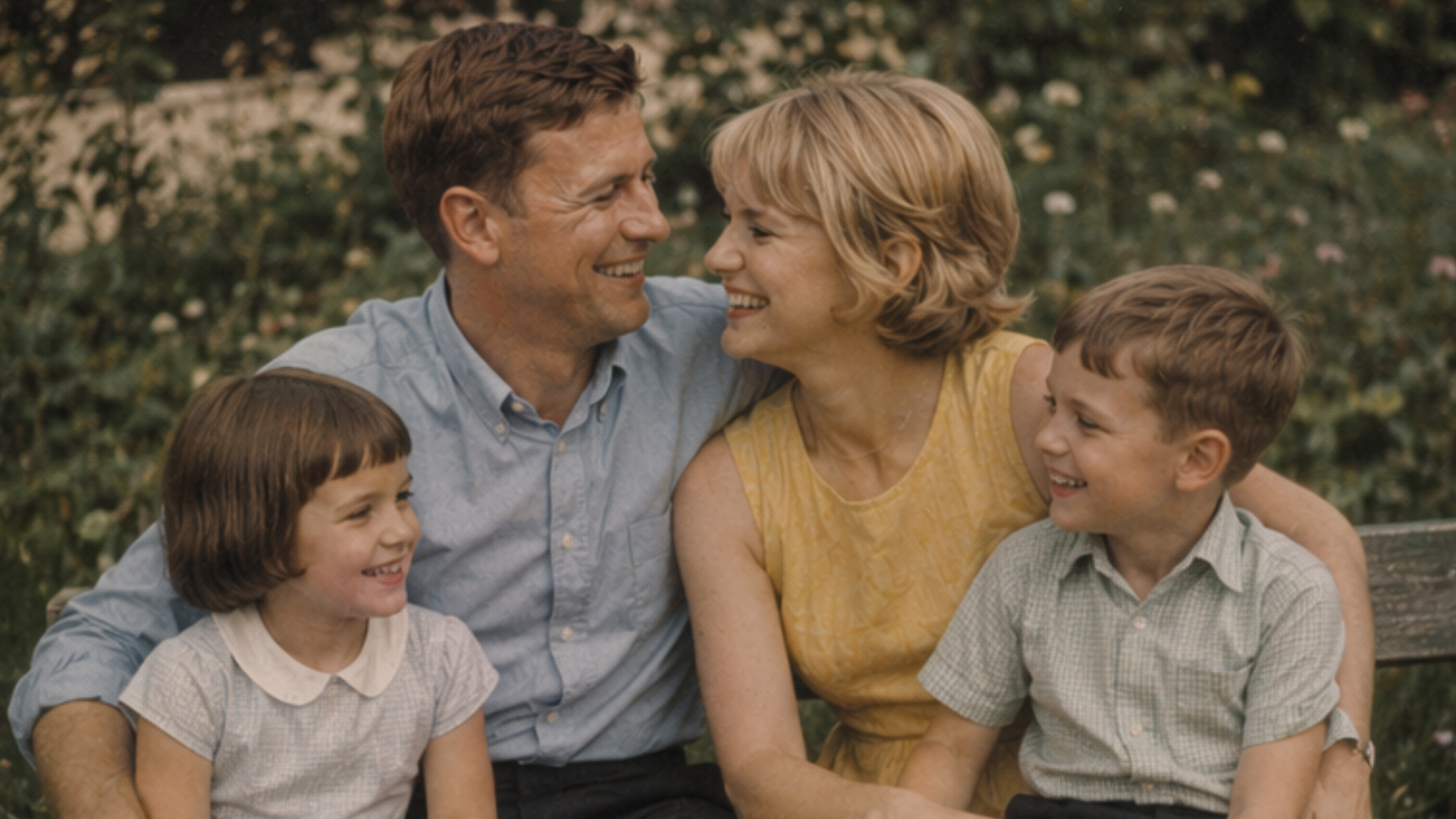
In the early 1970s, Elizabeth and George welcomed their two children, Emily and Daniel.
Their arrival did not change the direction of Elizabeth’s life — it deepened it.
Life became fuller, more demanding, more layered. But it also gained a new centre.
The names they chose were simple, without the need to stand out or follow trends. Names that reflected their way of being: grounded, honest, without excess.
Because for Elizabeth, what mattered was never appearance.
It was who her children would become.
Their arrival did not change the direction of Elizabeth’s life — it deepened it.
Life became fuller, more demanding, more layered. But it also gained a new centre.
The names they chose were simple, without the need to stand out or follow trends. Names that reflected their way of being: grounded, honest, without excess.
Because for Elizabeth, what mattered was never appearance.
It was who her children would become.
Magnus Chavez
Motherhood in its truest form
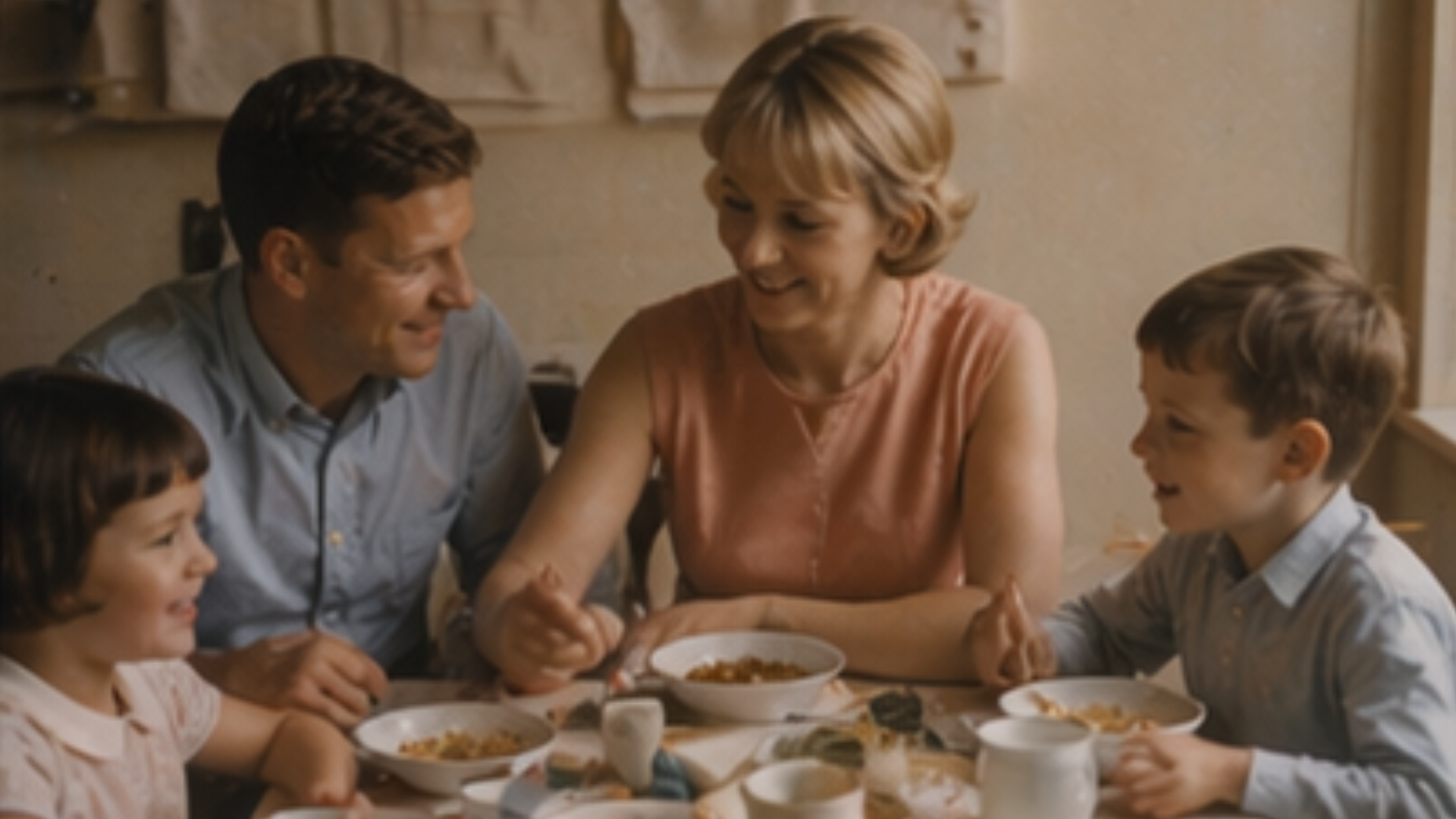
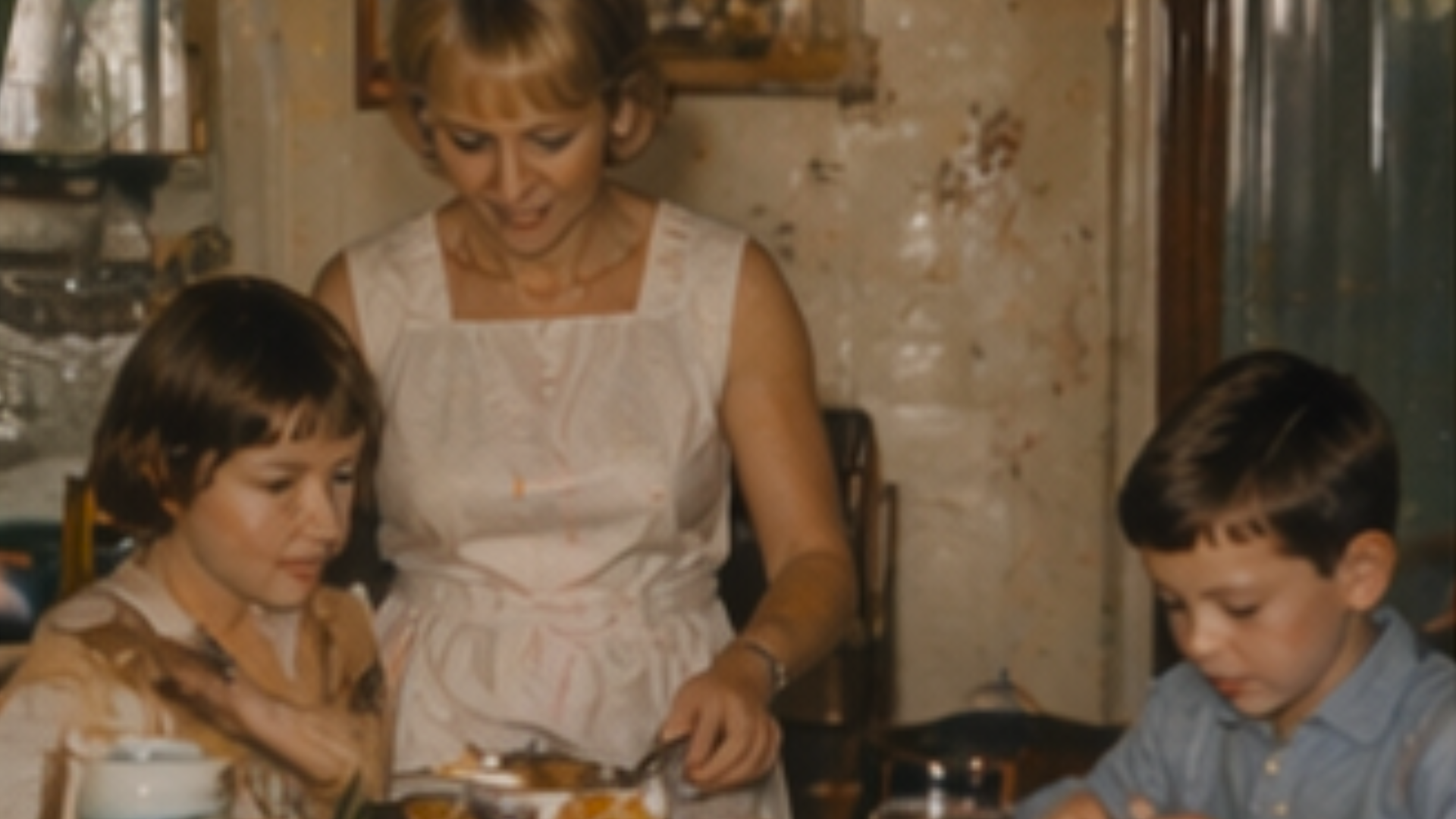
For Elizabeth, being a mother was not a role to step into.
It was a way of living.
She did not separate her responsibilities — she carried them all together.
Her days were filled with:
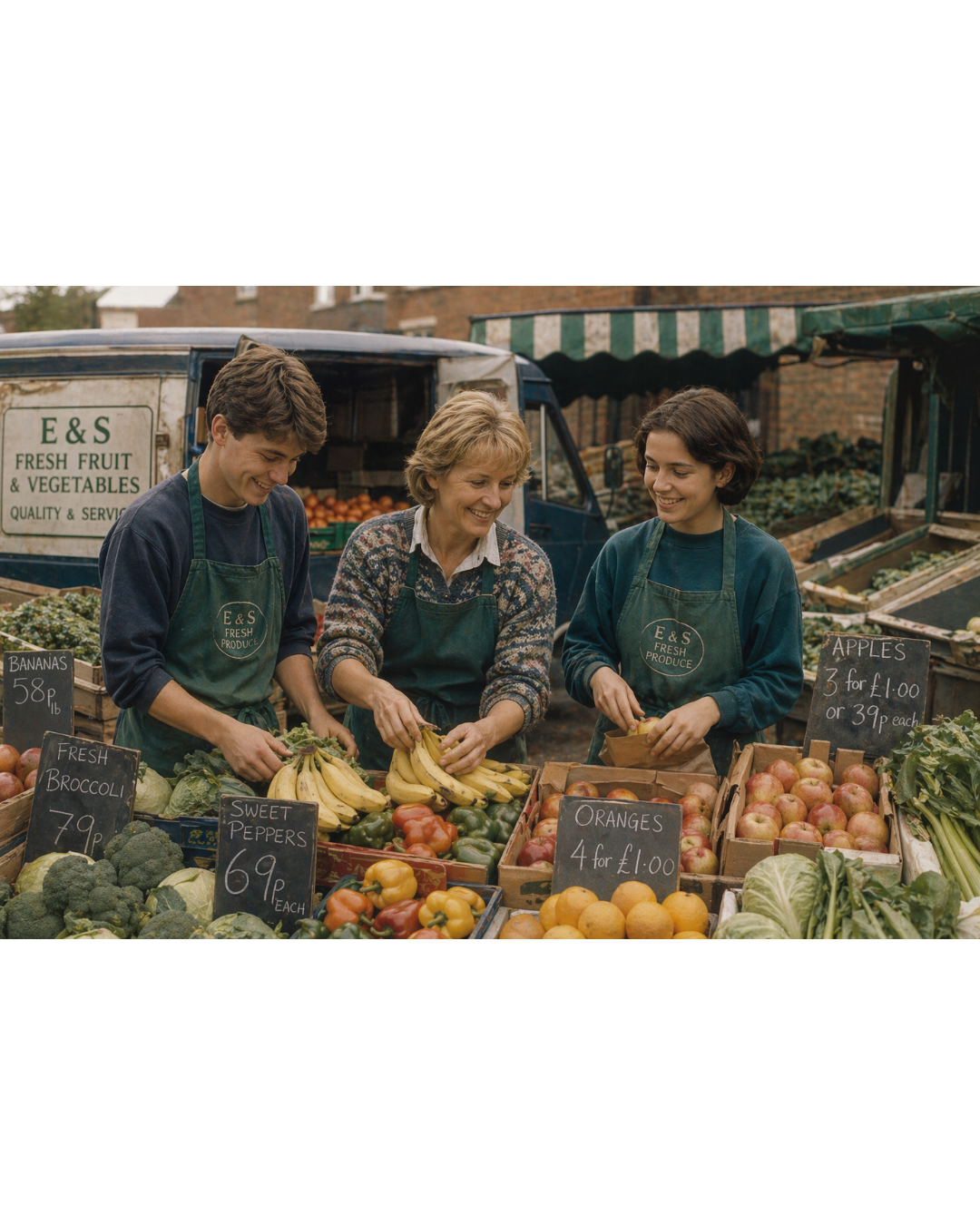
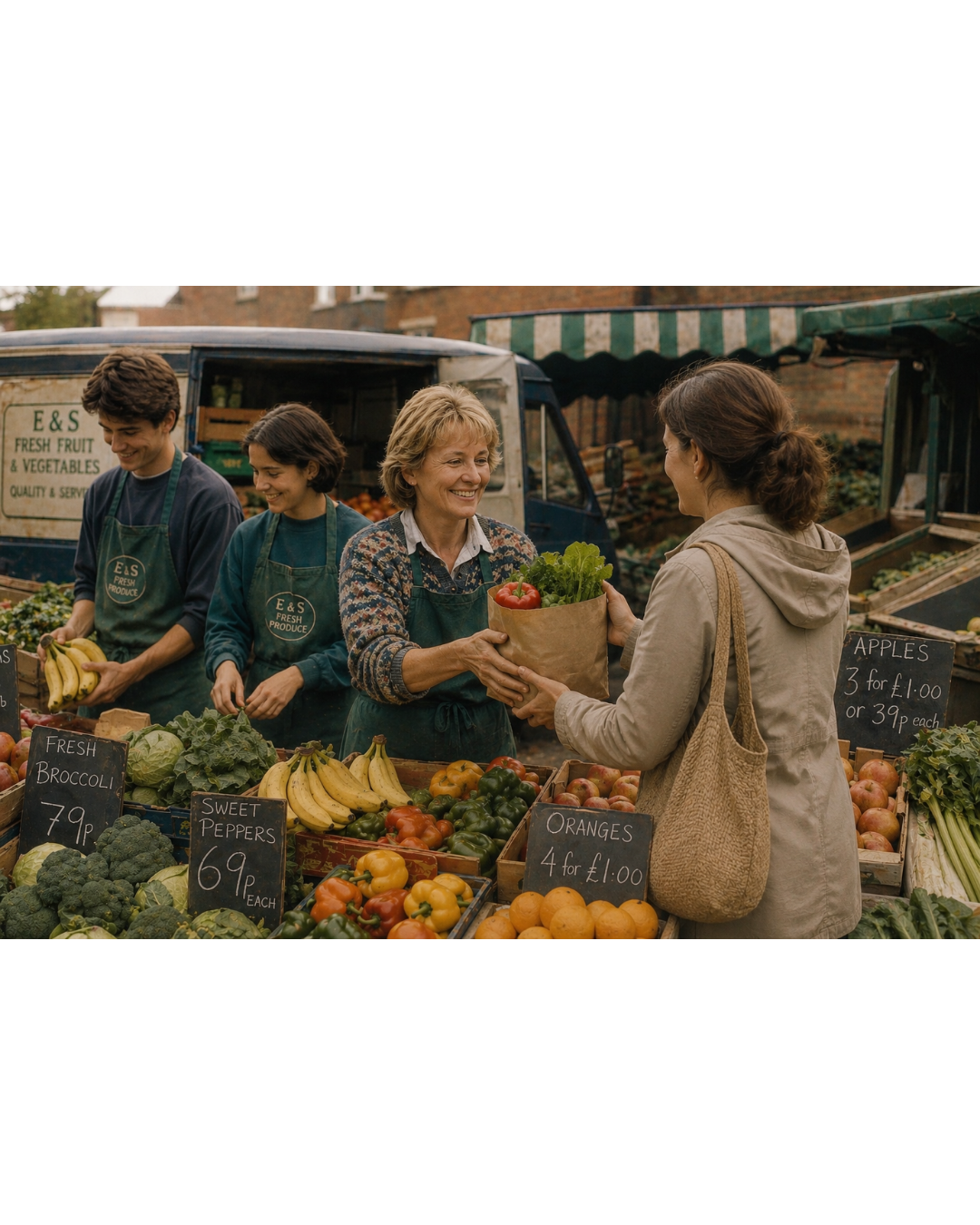
work in the fields and markets,
running the household,caringfor her children.
There was no clear boundary between one and the other.
And yet, despite the weight of it all, her children did not grow up in a home defined by struggle.
They grew up in a home defined by stability.
It was a way of living.
She did not separate her responsibilities — she carried them all together.
Her days were filled with:
work in the fields and markets,
running the household,caringfor her children.
There was no clear boundary between one and the other.
And yet, despite the weight of it all, her children did not grow up in a home defined by struggle.
They grew up in a home defined by stability.
Magnus Chavez
Her way of loving
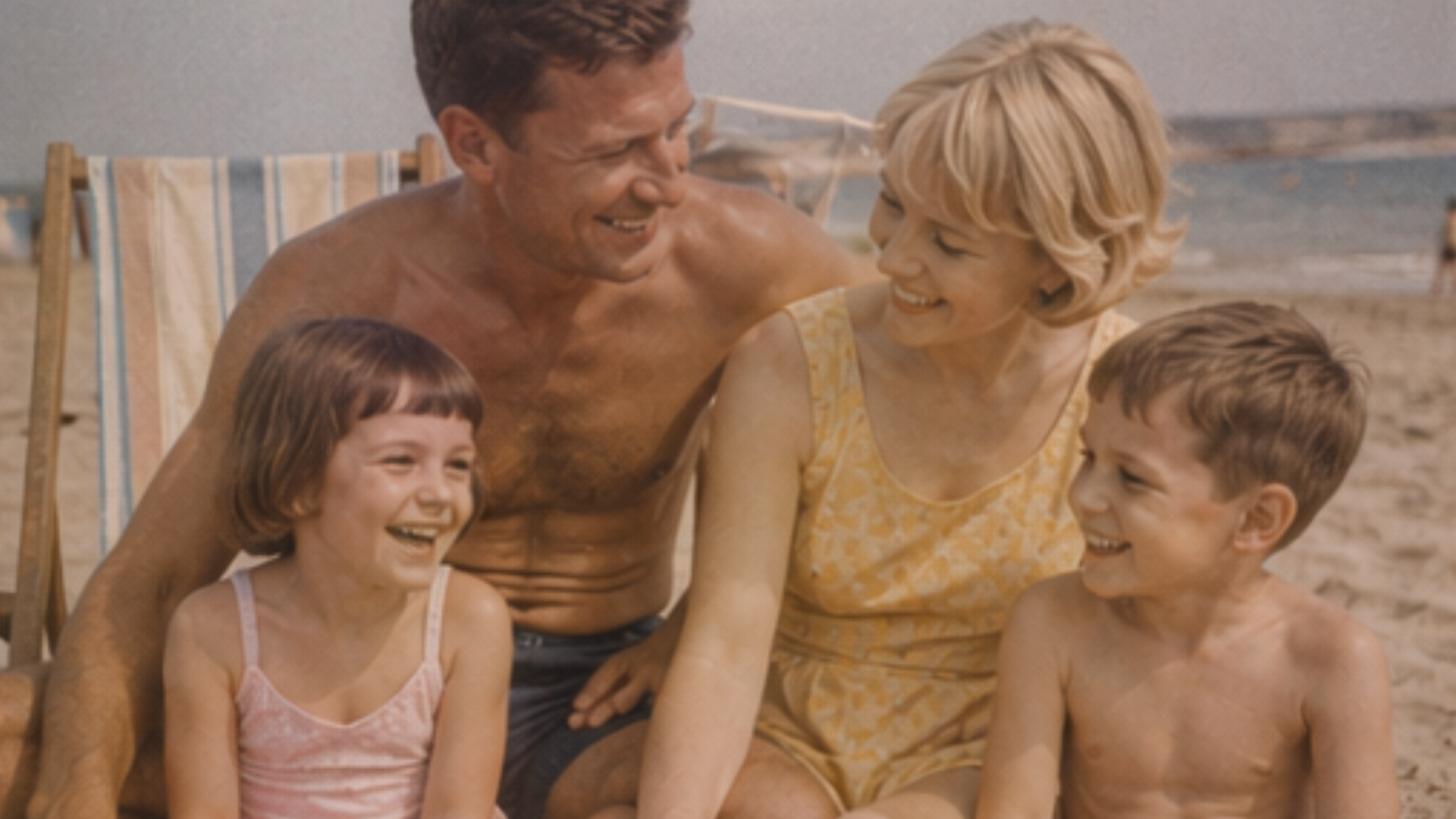
Elizabeth did not express love through words or grand gestures.
Her love was constant, practical, and present.
It was there in the meals she prepared every day.
In the care she put into even the smallest tasks.
In her ability to notice what was needed before anyone asked.
Even when she was tired, she remained attentive.
Her love was not something she spoke about.
It was something she did.
Her love was constant, practical, and present.
It was there in the meals she prepared every day.
In the care she put into even the smallest tasks.
In her ability to notice what was needed before anyone asked.
Even when she was tired, she remained attentive.
Her love was not something she spoke about.
It was something she did.
The values
she passed on
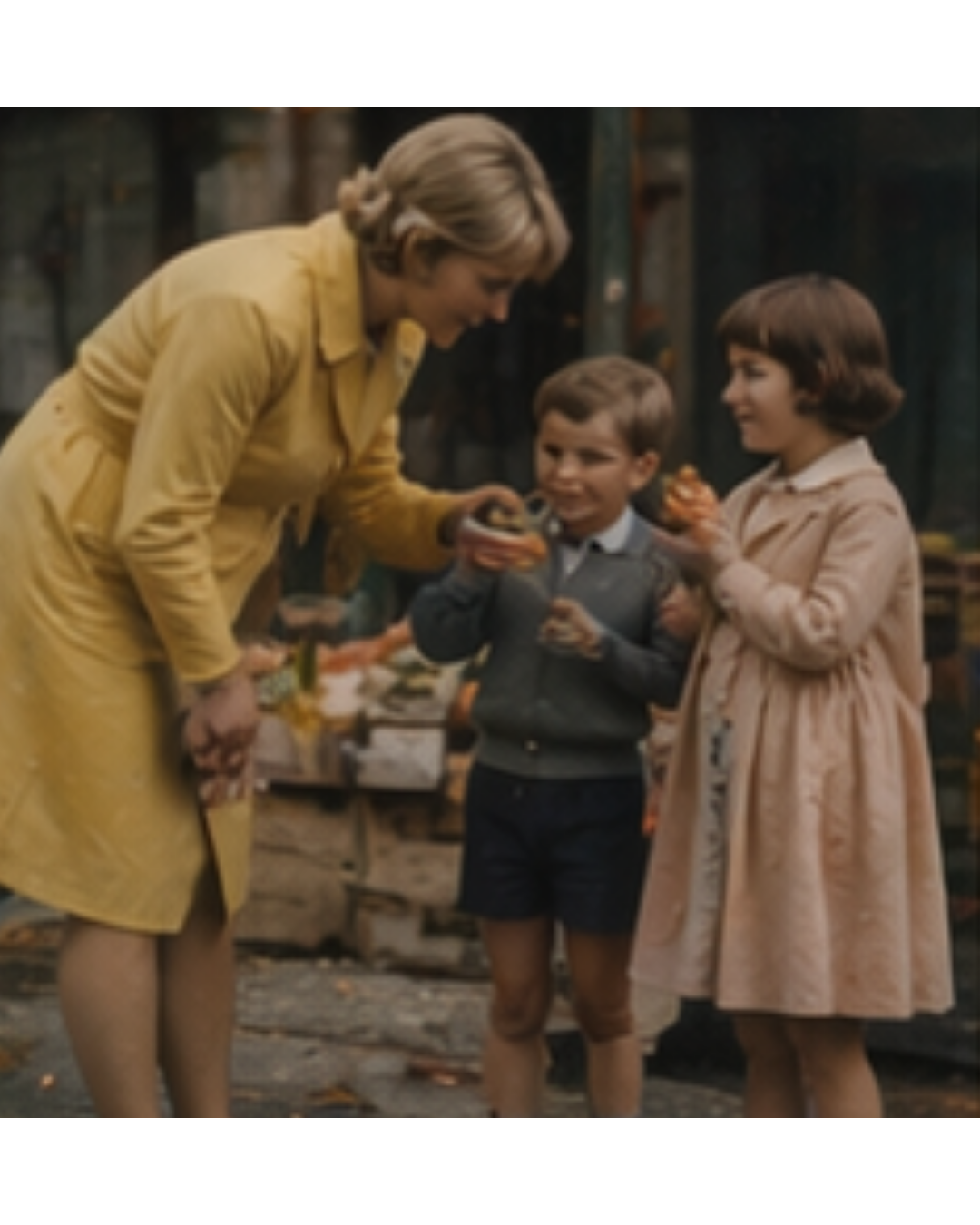
Her children did not learn through instruction.
They learned through observation.
They saw her wake early, regardless of fatigue.
They saw her work without complaint.
They saw the respect she showed towards others, towards her work, towards life itself.
Over time, they understood that these were not habits.
They were principles.
And those principles became part of who they were.
Not something they were told to remember —
something they grew into.
They learned through observation.
They saw her wake early, regardless of fatigue.
They saw her work without complaint.
They saw the respect she showed towards others, towards her work, towards life itself.
Over time, they understood that these were not habits.
They were principles.
And those principles became part of who they were.
Not something they were told to remember —
something they grew into.
Magnus Chavez