Life Choiches
A life remembered quietly

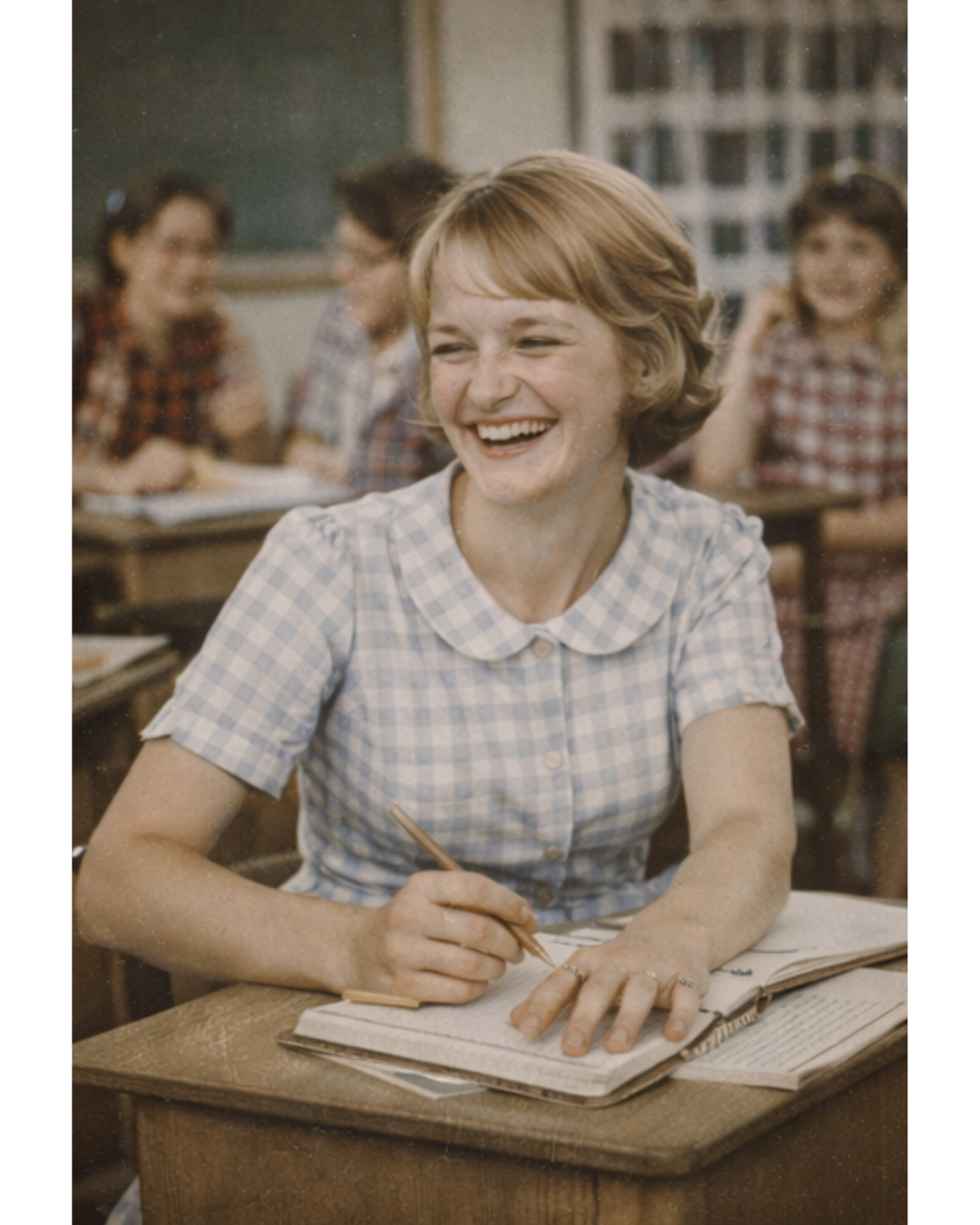
Leaving school
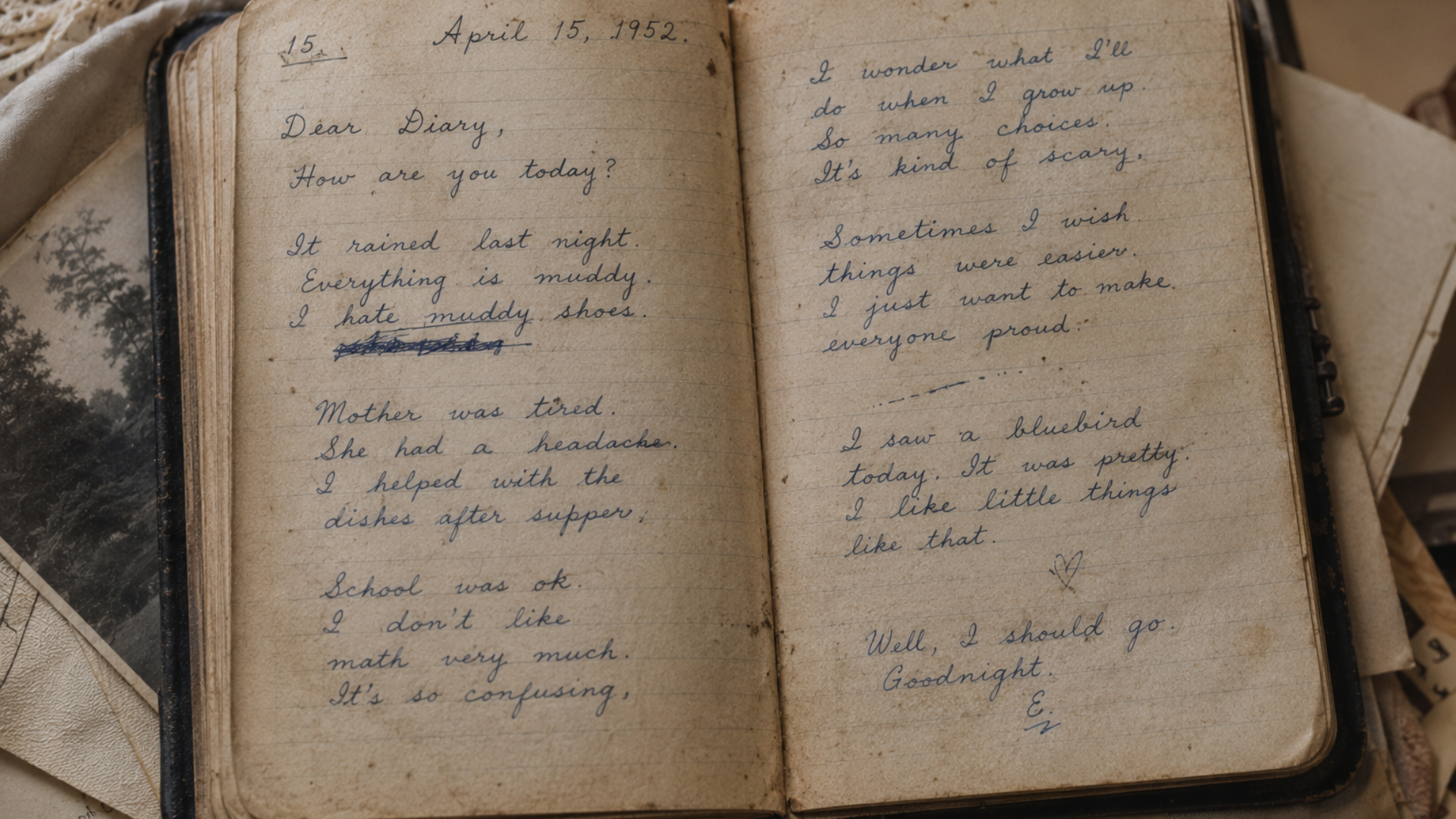
Towards the end of the 1950s, Elizabeth faced a reality that left little room for alternatives.
She had begun her education, like many young people of her time, but her family could not afford to support her studies any further.
Life in those years was demanding, money was scarce, and every member of the household was expected to contribute.
She left school not because she lacked interest,
but because she had no choice.
It was a decision shaped by necessity,
accepted with a maturity beyond her years.
She did not complain.
She did not resist.
She simply stepped forward into what life required of her.
She had begun her education, like many young people of her time, but her family could not afford to support her studies any further.
Life in those years was demanding, money was scarce, and every member of the household was expected to contribute.
She left school not because she lacked interest,
but because she had no choice.
It was a decision shaped by necessity,
accepted with a maturity beyond her years.
She did not complain.
She did not resist.
She simply stepped forward into what life required of her.
In silence, she accepted what life demanded.

Entering the world
of work

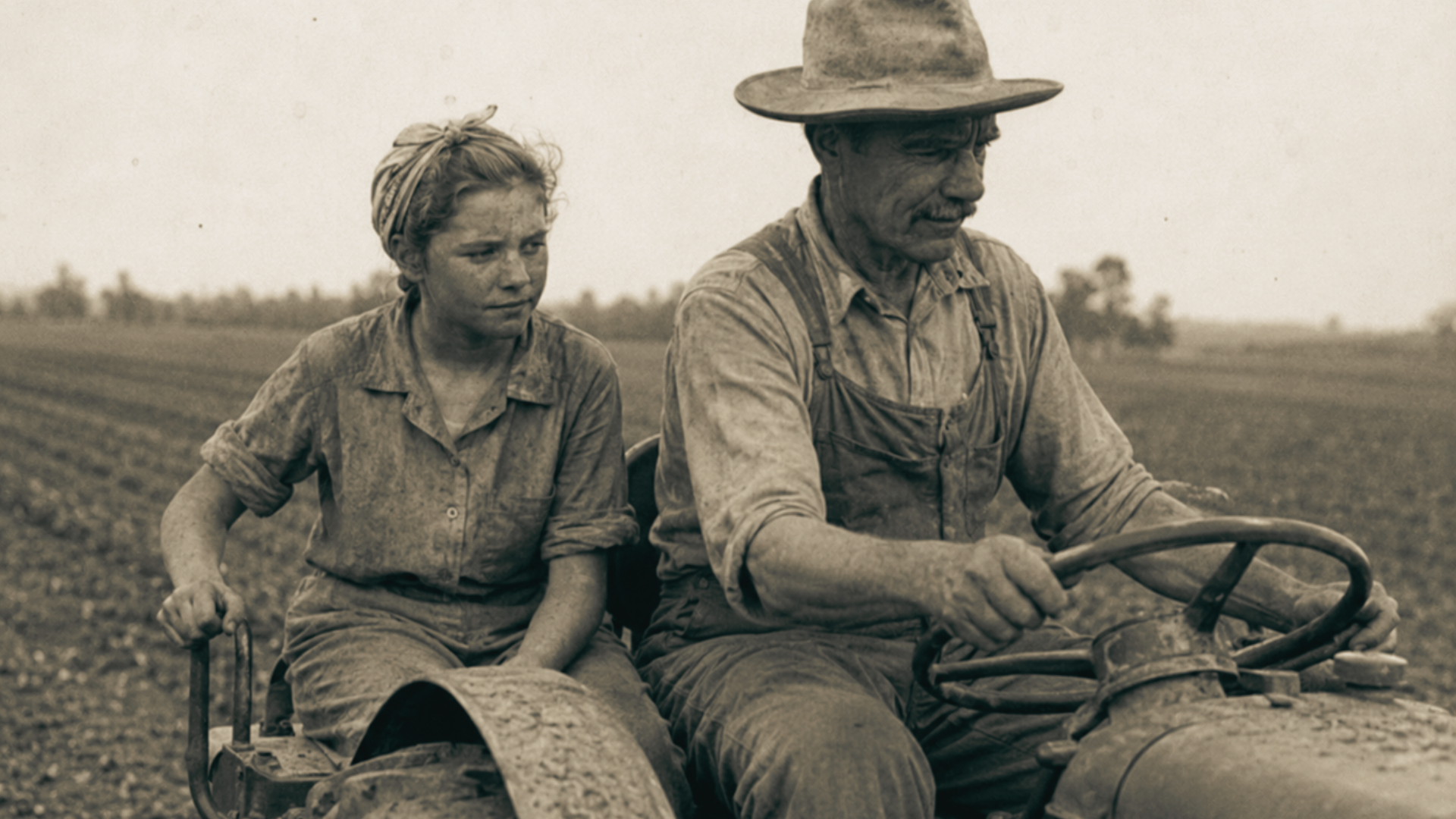
After leaving school, Elizabeth moved fully into working life.
It was not a gradual transition.
It was immediate.
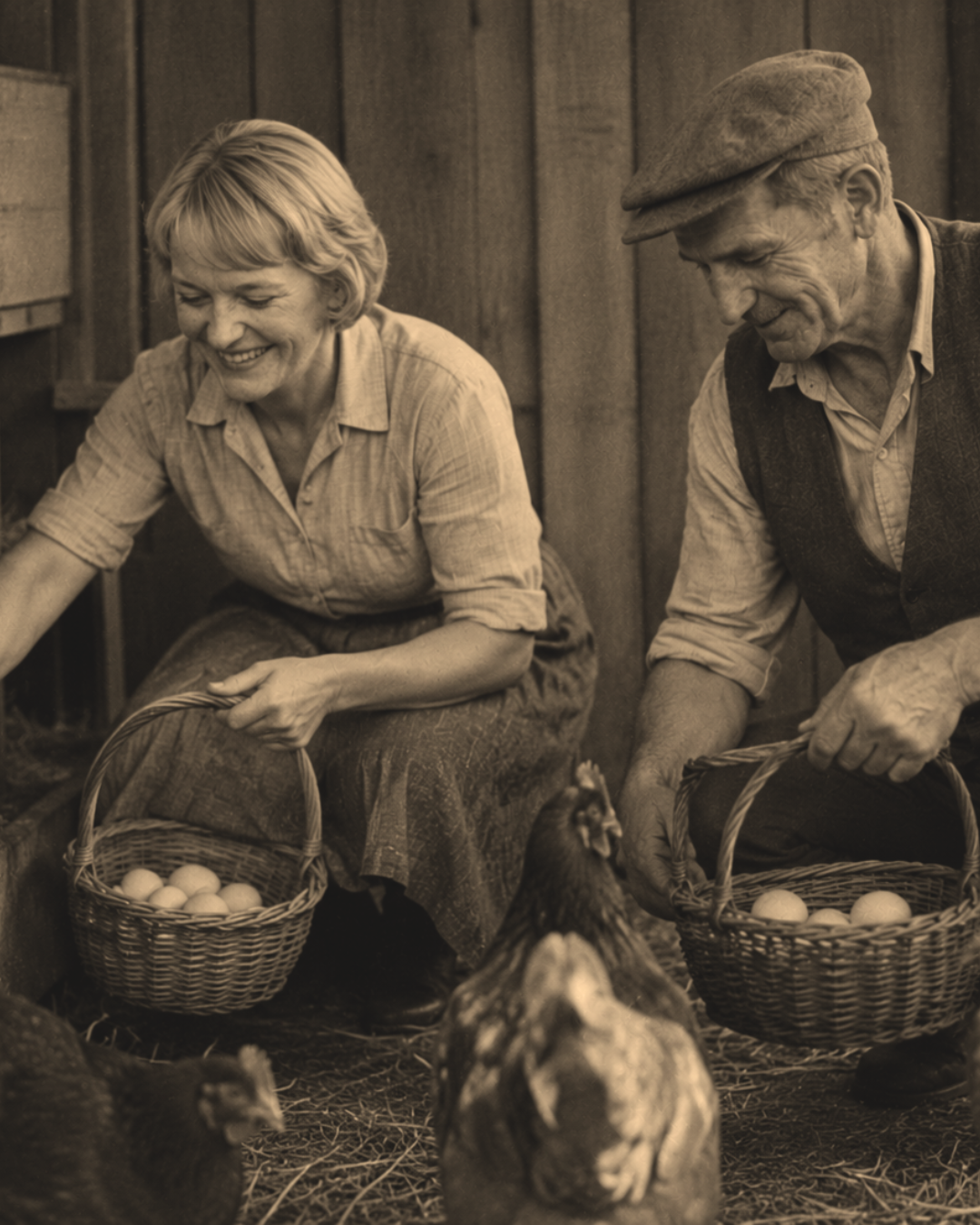
Her days began before dawn and followed the rhythm of the land. The work was physical, constant, and often exhausting.
There were no modern tools to ease the burden — everything required presence, strength, and endurance.
She took part in every stage:
planting, tending the crops, harvesting, preparing produce for sale.
And then came the markets.
Long days extended into long evenings, surrounded by people, transactions, and the effort of turning labour into livelihood.
It was not a gradual transition.
It was immediate.
Her days began before dawn and followed the rhythm of the land. The work was physical, constant, and often exhausting.
There were no modern tools to ease the burden — everything required presence, strength, and endurance.
She took part in every stage:
planting, tending the crops, harvesting, preparing produce for sale.
And then came the markets.
Long days extended into long evenings, surrounded by people, transactions, and the effort of turning labour into livelihood.
Her strength was never loud, but it endured.
The making of her character
These were the years that shaped her completely.
She learned not to expect ease.
She learned not to look for excuses.
She learned to do what needed to be done.
Sacrifice stopped being something exceptional. It became part of everyday life.
And from that, a quiet strength emerged — one that did not need to be spoken about, because it could be seen in everything she did.
She learned not to expect ease.
She learned not to look for excuses.
She learned to do what needed to be done.
Sacrifice stopped being something exceptional. It became part of everyday life.
And from that, a quiet strength emerged — one that did not need to be spoken about, because it could be seen in everything she did.
Not every sacrifice is spoken aloud.