
Biography
A life remembered quietly

Elizabeth Carter
Born on 12 April 1941 in Bristol, United Kingdom
Passed away on 3 June 2021 in Bristol
Passed away on 3 June 2021 in Bristol

Daughter of Thomas Carter, a farmer, and Margaret Carter, a homemaker, Elizabeth grew up in a modest household where work and responsibility were not ideas to be explained, but realities to be lived every day.
She was the second of three children, raised alongside her brother William and her sister Sarah, with whom she maintained a strong and lasting bond throughout her life — a relationship built on presence, affection, and the habit of sharing every important moment together.
In 1966, she married George Carter, a produce trader.
From their union came two children: Emily and Daniel Carter.
Throughout her life, Elizabeth worked between the land and local markets, building not only a livelihood, but a reputation founded on reliability, dedication, and quiet integrity.
She was the second of three children, raised alongside her brother William and her sister Sarah, with whom she maintained a strong and lasting bond throughout her life — a relationship built on presence, affection, and the habit of sharing every important moment together.
In 1966, she married George Carter, a produce trader.
From their union came two children: Emily and Daniel Carter.
Throughout her life, Elizabeth worked between the land and local markets, building not only a livelihood, but a reputation founded on reliability, dedication, and quiet integrity.
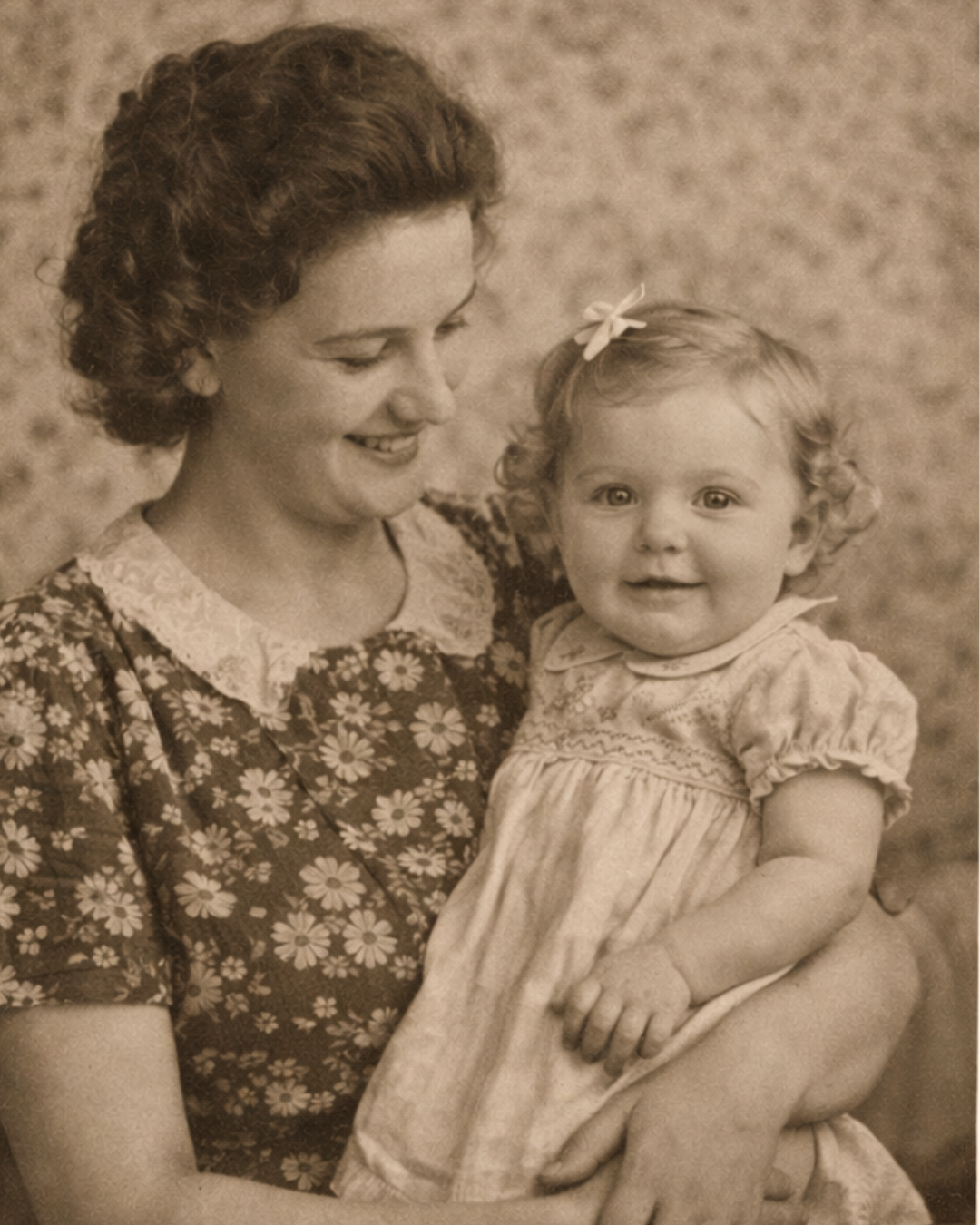
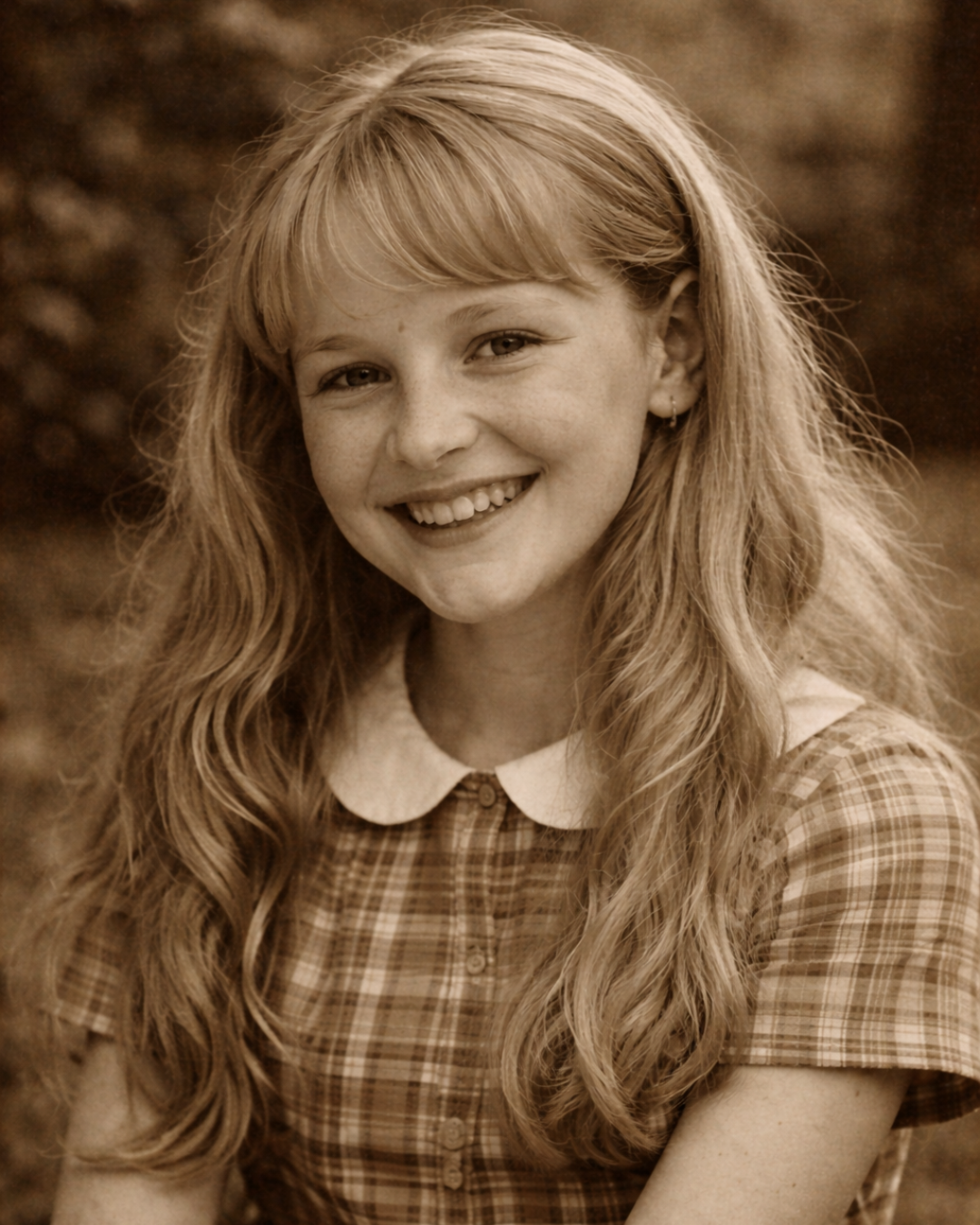
A simple upbringing, grounded in reality
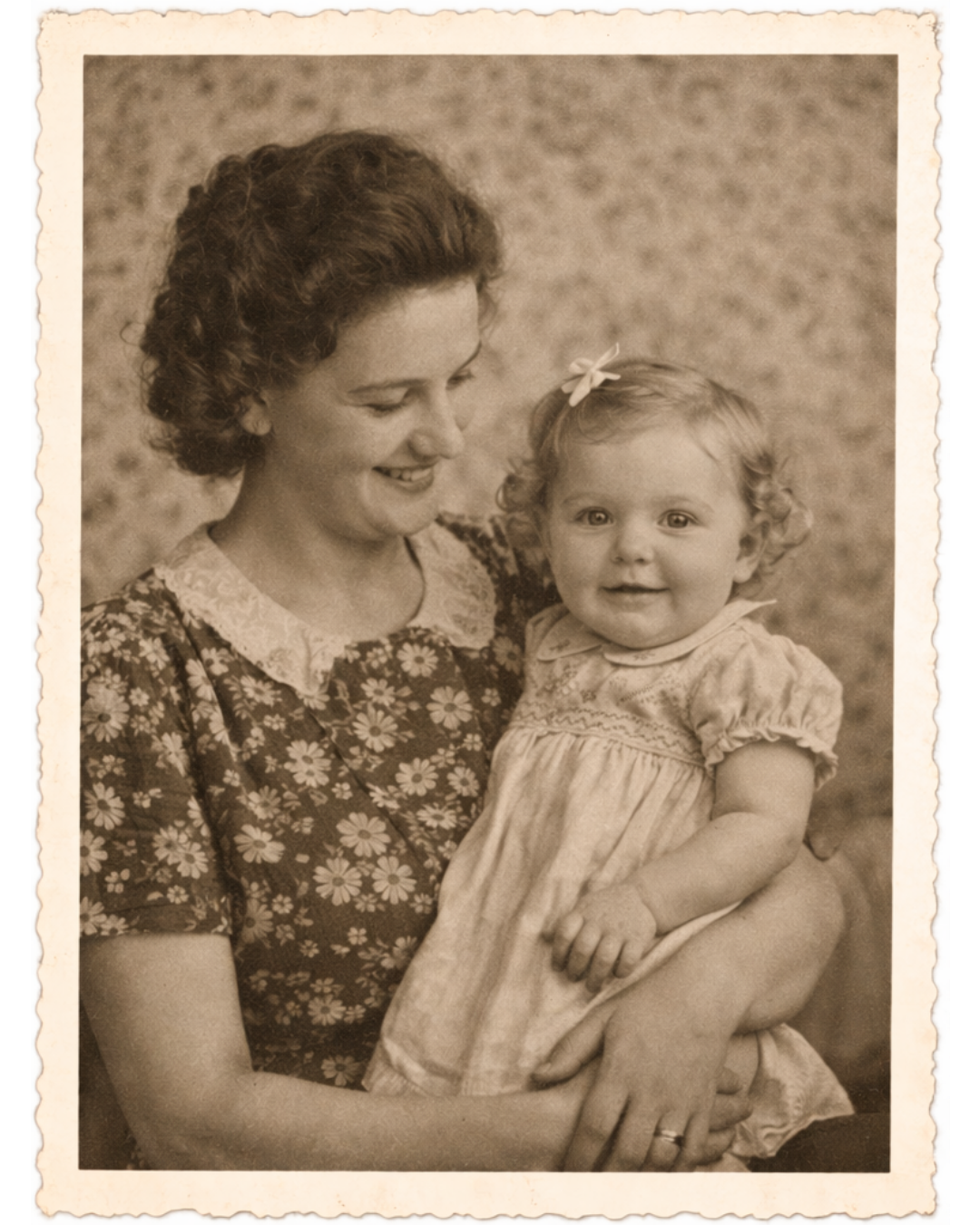
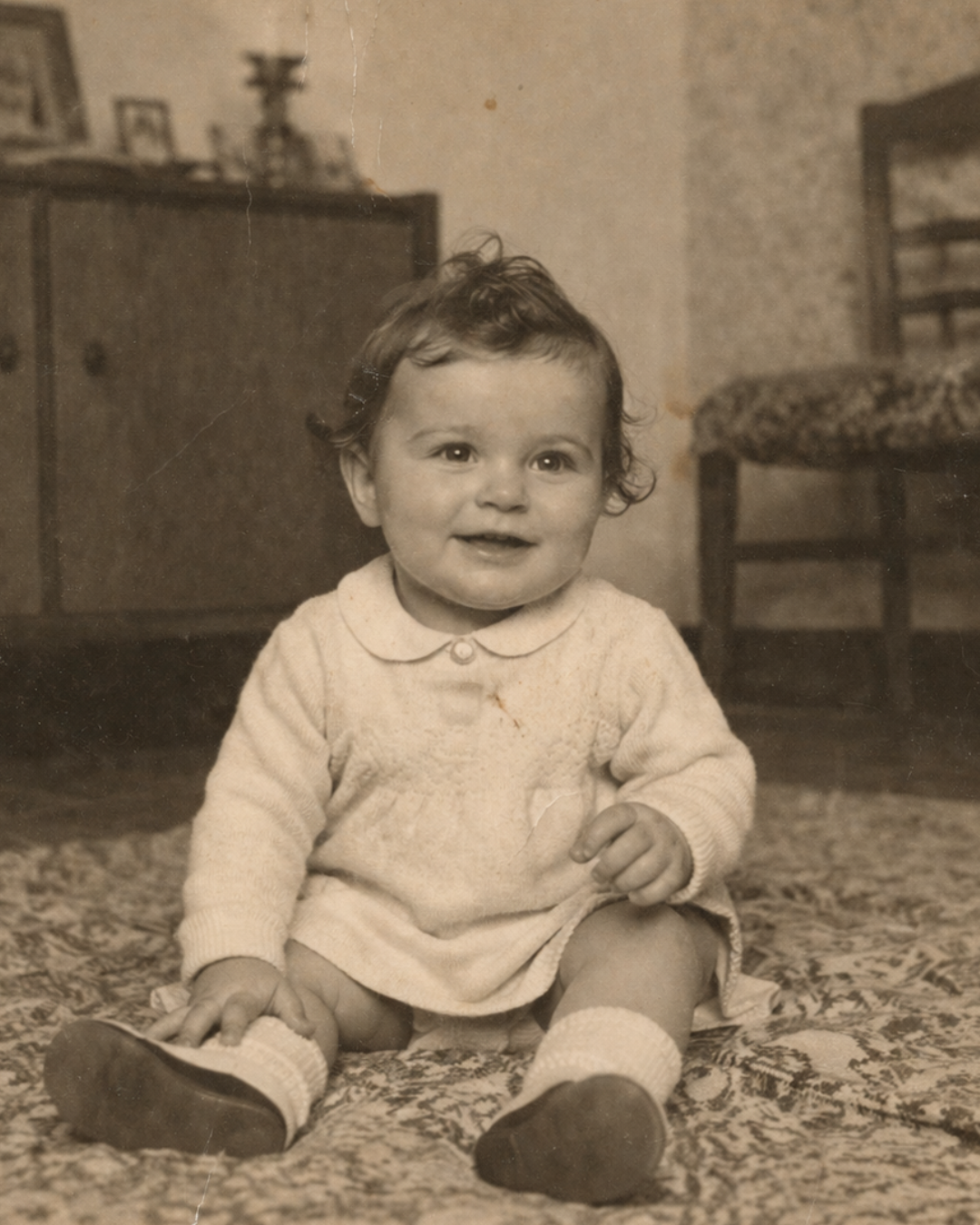
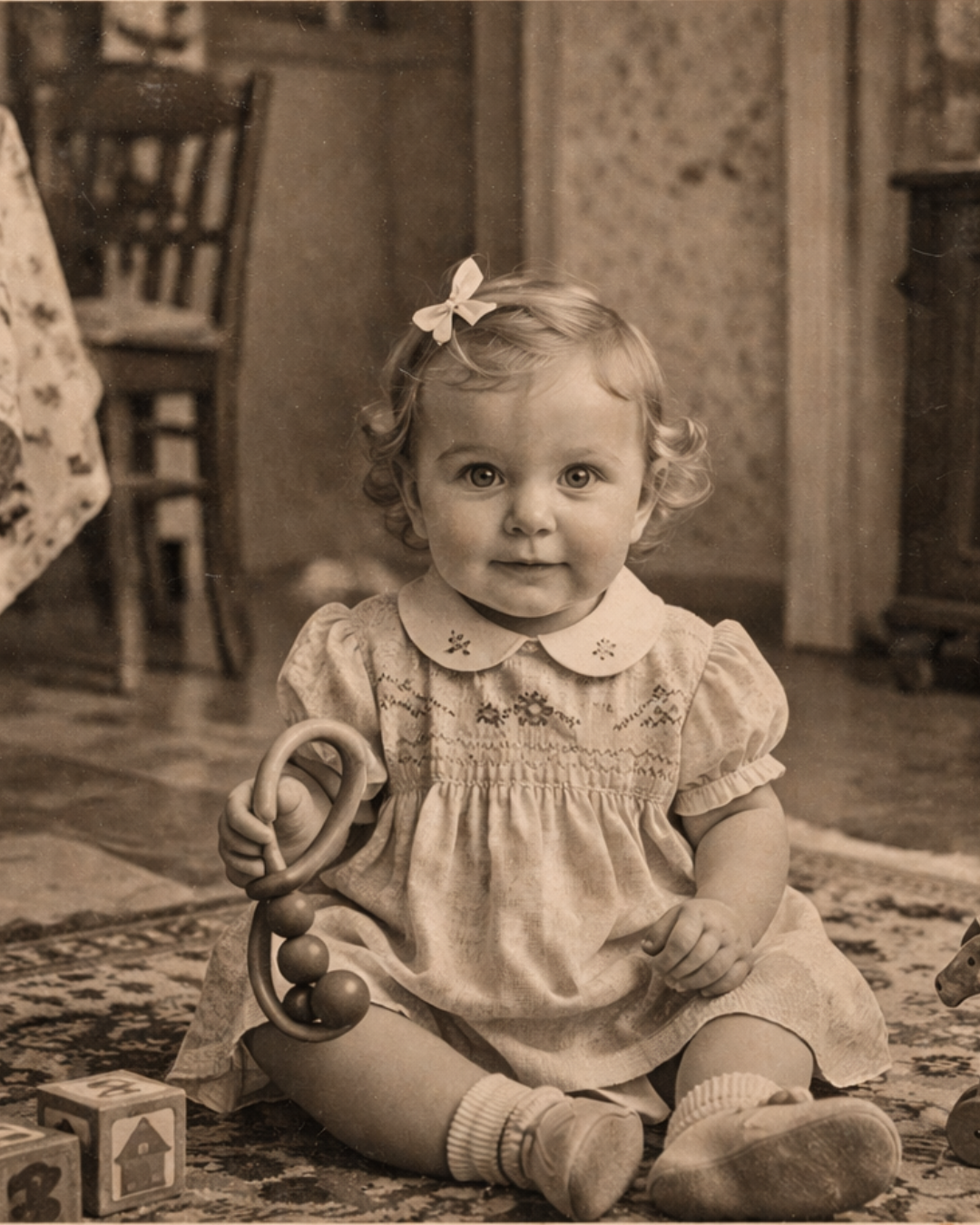
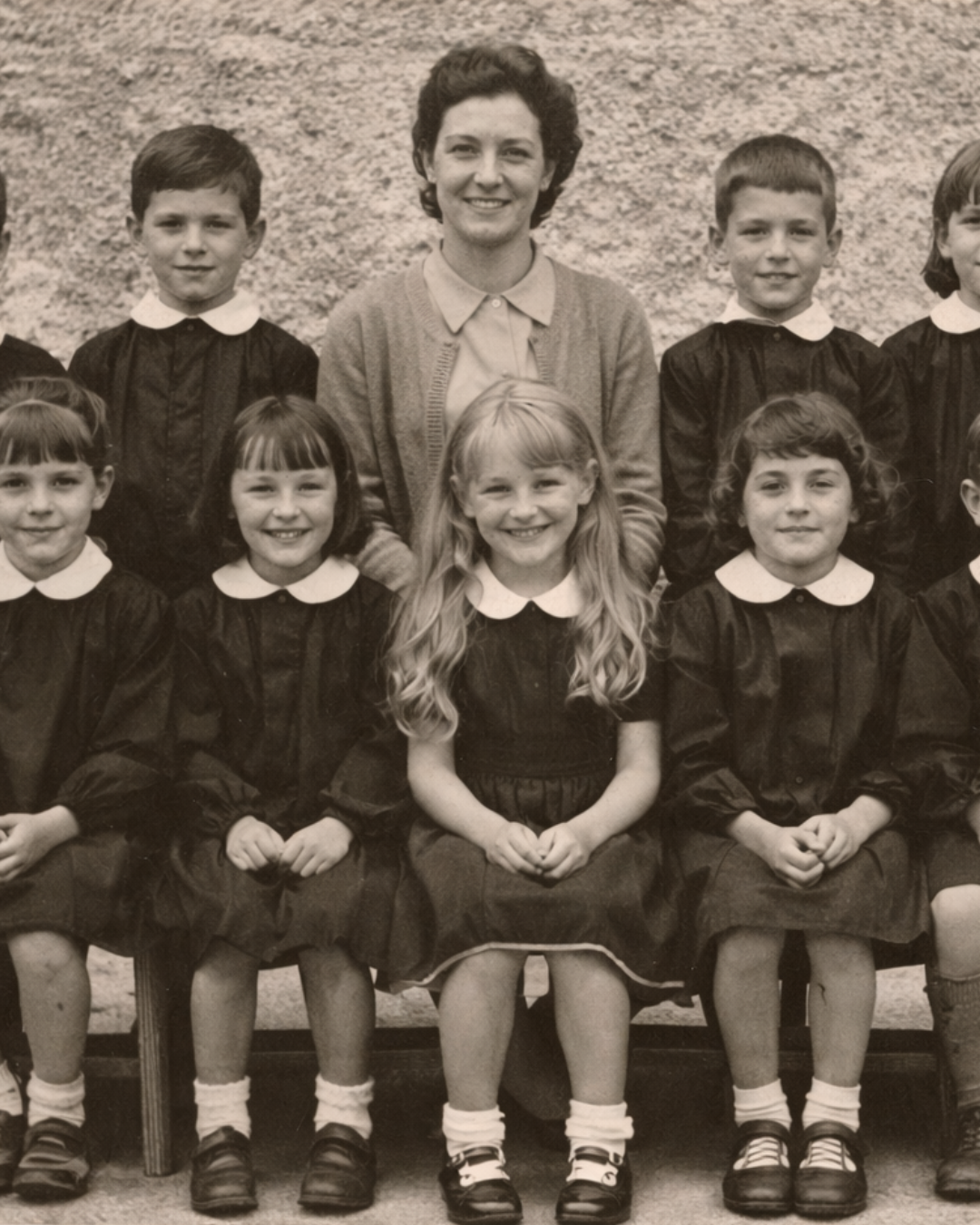
Elizabeth was born and raised in a Bristol that was very different from the one we know today — a place where life was shaped by work, by the seasons, and by the rhythms of family life.
Her childhood was peaceful, but never idle. It was not defined by comfort or excess, but by real experiences: the land, the passing of seasons, the work of her parents, and the closeness of family life.
From a very young age, she showed a natural curiosity — a tendency to observe, to understand, and to become involved.
She was never still for long.
There was always something to explore, something to learn.
Nature was not something to admire from a distance.
It was something to belong to.
Her childhood was peaceful, but never idle. It was not defined by comfort or excess, but by real experiences: the land, the passing of seasons, the work of her parents, and the closeness of family life.
From a very young age, she showed a natural curiosity — a tendency to observe, to understand, and to become involved.
She was never still for long.
There was always something to explore, something to learn.
Nature was not something to admire from a distance.
It was something to belong to.
She belonged to the beauty of simple things.
Her bond with her father
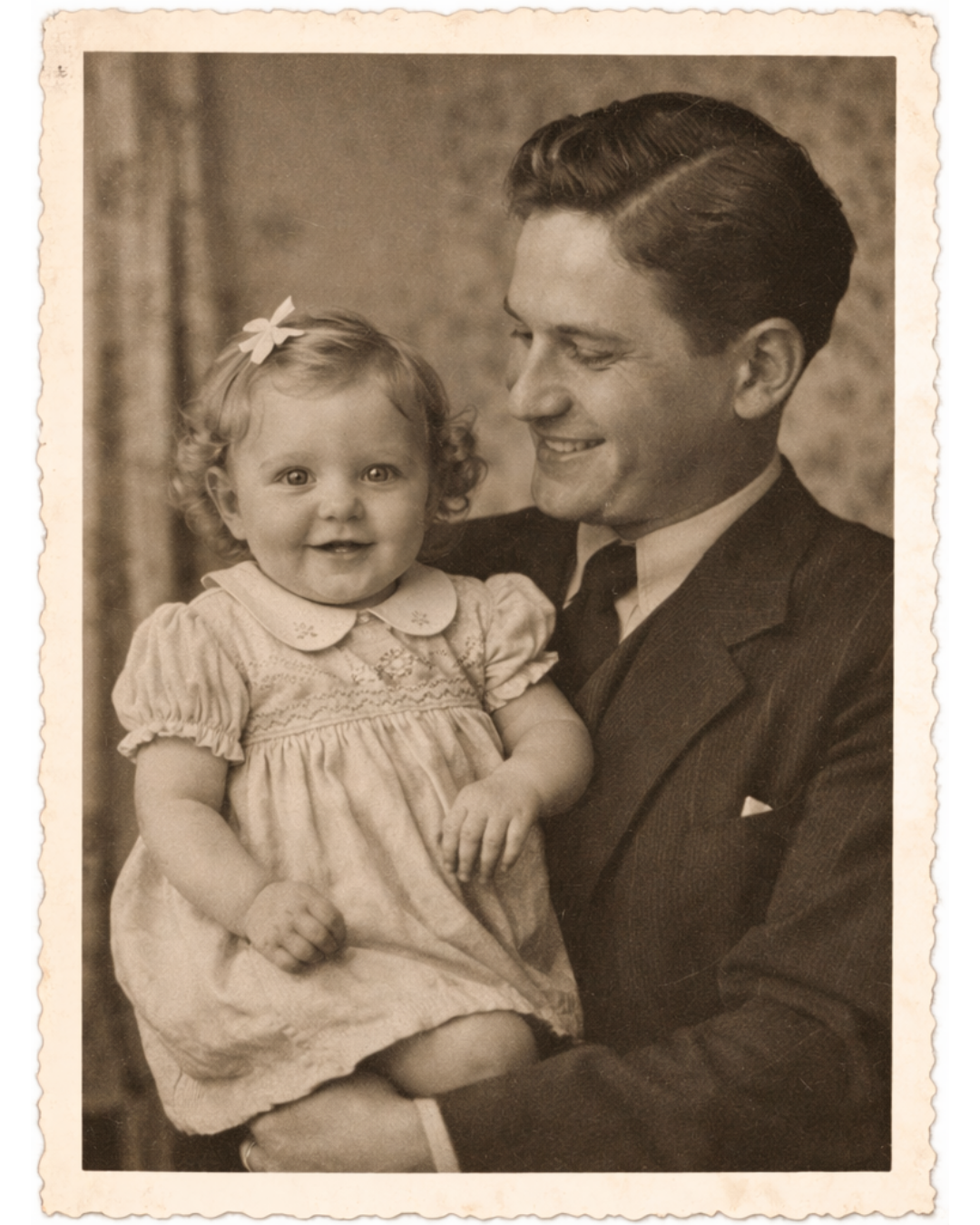
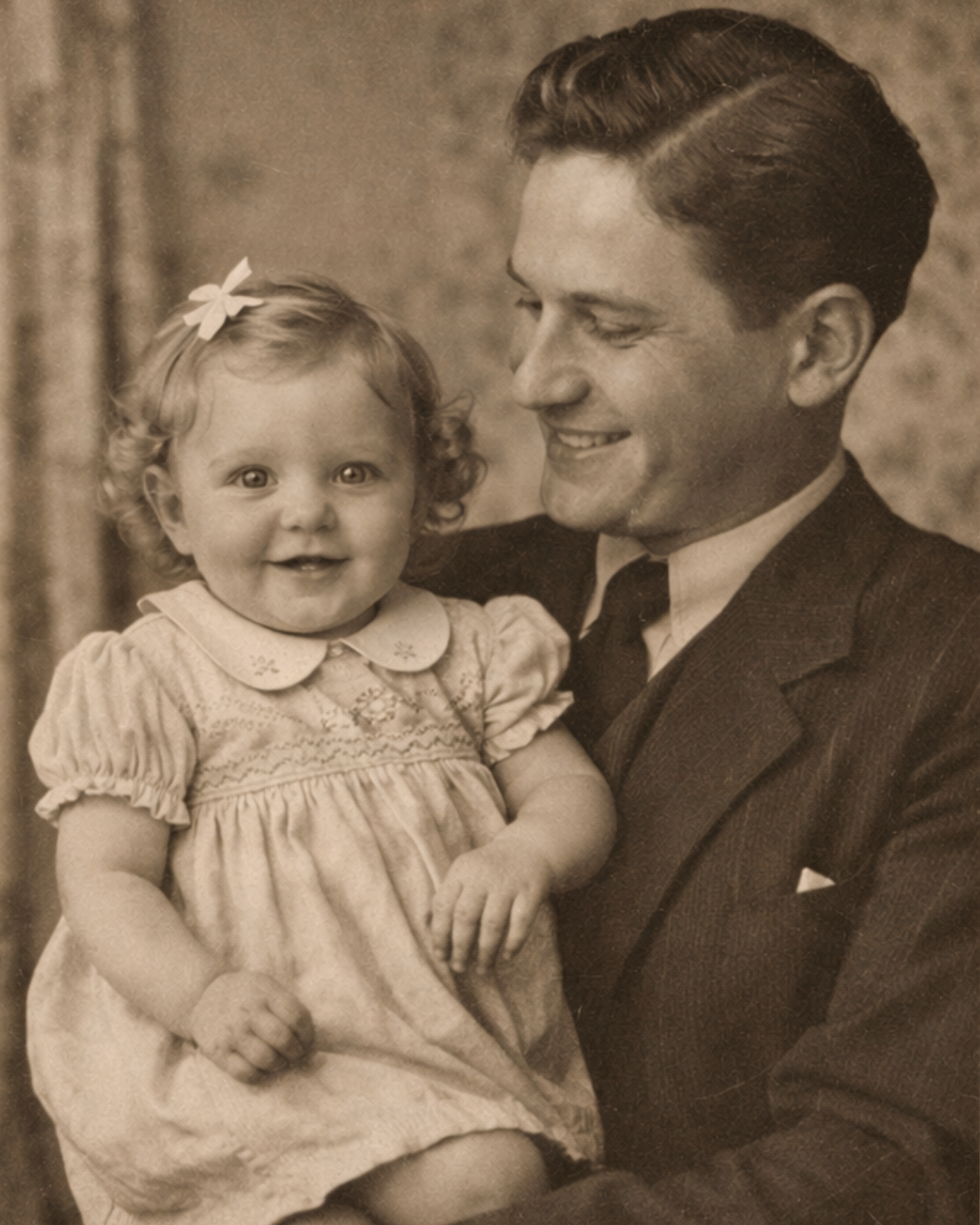
Her father, Thomas, played a central role in her upbringing.
Elizabeth followed him everywhere — not out of obligation, but out of instinct.
She watched him work the fields, studied his gestures, and tried to take part even when she was still too young to be of real help.
When he planted seeds, she moved closer to do the same.
When he harvested, she wanted to join in.
It was not play.
It was her first encounter with responsibility, with effort, and with a sense of belonging.
In that quiet, wordless relationship, she developed the foundations of who she would become: practical, grounded, and deeply connected to the value of work.
She learned belonging through his hands.
The family as
a foundation
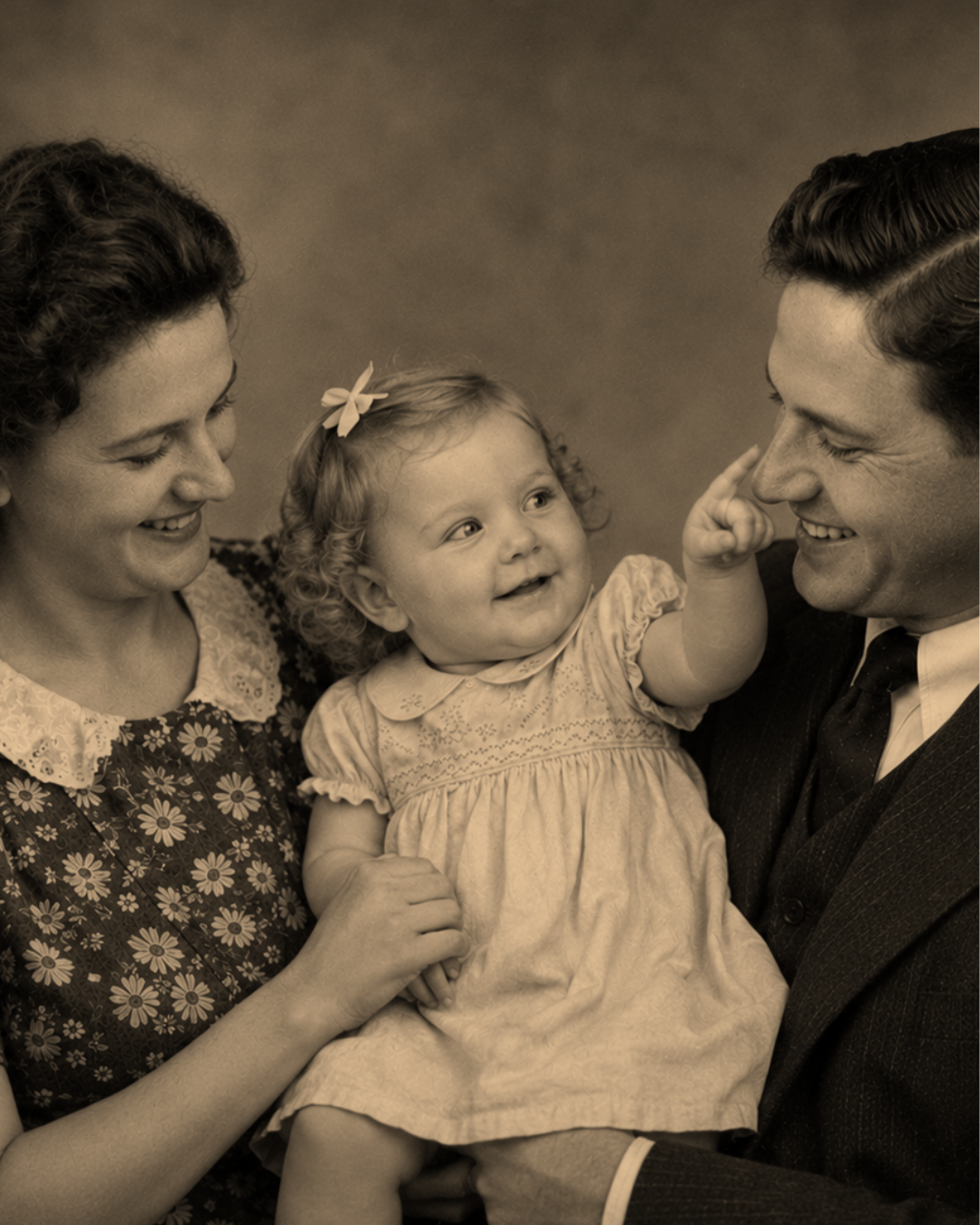
Her mother, Margaret, represented a different kind of presence — steady, organised, and constant.
She cared for the home and the children with complete dedication, embodying a model of care and quiet strength.
Within this balance — between her father’s labour and her mother’s care — Elizabeth grew up with a clear understanding:
everyone has a role, and every role matters.
She cared for the home and the children with complete dedication, embodying a model of care and quiet strength.
Within this balance — between her father’s labour and her mother’s care — Elizabeth grew up with a clear understanding:
everyone has a role, and every role matters.
In that quiet care, her character began to form.